How Crypto Payments Work in Nigeria: A Beginner’s Guide

A simple beginner's guide to how crypto payments actually work in Nigeria, from wallet addresses to network fees.
Crypto is becoming more than an investment in Nigeria. People now use digital assets to send money, receive international payments, pay for services, and move value across borders. But how exactly does a crypto payment work?
If you're new to crypto, terms like wallet addresses, blockchain networks, USDT, USDC, and transaction fees can sound complicated. In reality, making a crypto payment is quite simple once you understand the basics. Here's what you need to know.
What Are Crypto Payments?
A crypto payment is simply the transfer of a cryptocurrency or digital asset from one person or business to another. Instead of sending money through a traditional bank, the transaction is processed on a blockchain network.
For example, someone can send you USDT by transferring it from their crypto wallet to yours. Once the transaction is confirmed on the blockchain, the funds appear in your receiving wallet. This makes crypto particularly useful for fast, digital, and cross-border payments.
How Does a Crypto Payment Work?
For example, if you want to send $100 worth of USDT:
Choose USDT.
Enter the recipient's wallet address.
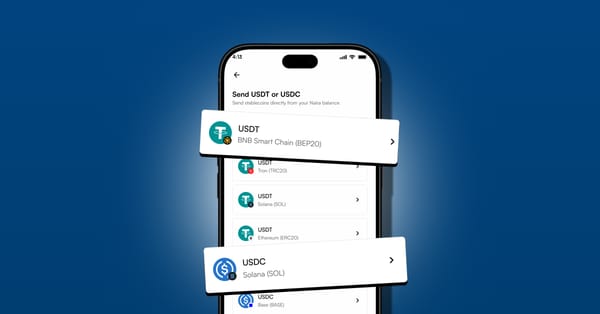
Select the correct blockchain network.
Review the amount and transaction fee.
Confirm the transaction.
The blockchain processes and confirms the transfer.
Once confirmed, the recipient receives the crypto in their wallet.
Why Are Stablecoins Popular for Payments?
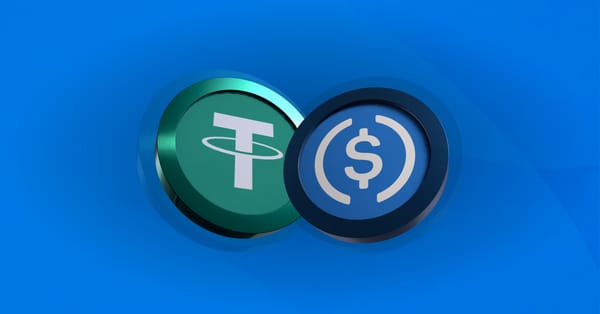
While cryptocurrencies like Bitcoin can experience significant price changes, stablecoins are designed to maintain a relatively stable value, usually against the US dollar. Two of the most widely used are USDT (Tether) and USDC (USD Coin), and both are generally less volatile than assets such as Bitcoin or Ethereum.
In Nigeria, stablecoins are increasingly relevant for cross-border payments, international transactions, and moving dollar-denominated value digitally.
Why Does the Network Matter?
This is one of the most important things to understand before sending crypto. The same asset can be available on different blockchain networks. USDT, for example, may be available on TRC-20, BEP-20, Ethereum/ERC-20, Solana, Base, and Arbitrum.
Before confirming any transaction, always check: asset, network, and wallet address.
How Can Nigerians Use Crypto for Payments?
- Sending money: send crypto directly to another person's compatible wallet, whether they're in Nigeria or another country.
- Receiving payments: freelancers, remote workers, and businesses can receive supported crypto assets from clients or partners.
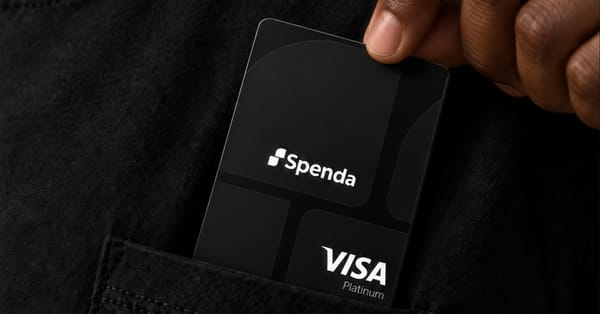
- Spending crypto: some payment platforms offer cards or other services that let users spend their digital assets through existing payment networks.
- Moving between Naira and crypto: platforms can make it easier to move between traditional money and digital assets.
With Spenda, for example, users can deposit Naira and send supported stablecoins directly from their Naira balance, without manually converting the Naira into stablecoins first. That makes crypto payments easier for people who aren't familiar with the technical side of crypto.
How Much Does a Crypto Payment Cost?
Crypto payments may involve different fees depending on the platform and blockchain network. You may encounter:
- Network fees: charged by the blockchain for processing a transaction.
- Platform fees: charged by the service you're using.
- Conversion fees: may apply when converting between currencies or assets.
Always check the total fee before confirming a transaction.
Are Crypto Payments Safe?
Crypto can be safe to use, but it pays to be careful. The most important rules:
- Double-check the wallet address. Crypto transactions are generally irreversible once confirmed.
- Confirm the network. Make sure the recipient supports the network you're using.
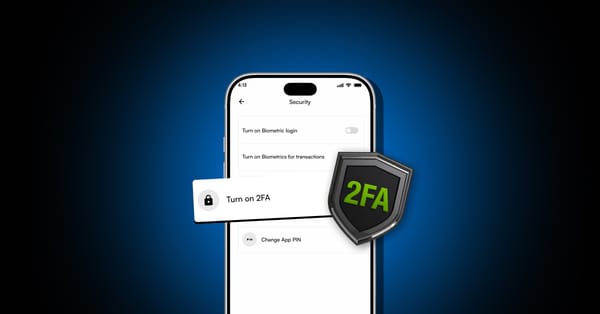
- Never share your private keys or recovery phrase. Legitimate platforms should never ask for them.
- Watch out for scams. Always use official websites, apps, and support channels.
- Start small when sending to a new wallet. A small test transaction can confirm everything is correct before you send a larger amount.
Is Crypto Legal in Nigeria?
Nigeria's digital-asset regulatory environment has evolved in recent years. The Central Bank of Nigeria issued guidelines in 2023 covering banking relationships with Virtual Asset Service Providers, while the Securities and Exchange Commission regulates aspects of the digital-asset industry and has introduced frameworks for eligible Virtual Asset Service Providers.
Because regulations can change, businesses and users should always check the latest requirements from the relevant Nigerian authorities.
Crypto Payments vs Bank Transfers
The biggest difference is how the transaction is processed.
Bank transfer
You send money through a bank or payment network using an account number.
Crypto payment
You send a digital asset through a blockchain network using a wallet address.
Crypto can offer 24/7 transfers and convenient cross-border payments, while traditional bank transfers remain familiar and widely accepted for everyday transactions. Neither is automatically better. The right option depends on what you're trying to achieve.
Frequently Asked Questions
Can I send crypto from Nigeria?
Yes. Nigerians can use supported crypto wallets and platforms to send and receive digital assets, subject to applicable requirements and regulations.
What crypto is best for payments?
Stablecoins such as USDT and USDC are commonly used for payments because they're designed to maintain a relatively stable value.
Can I send USDT from Nigeria?
Yes. You can send USDT through a platform or wallet that supports the relevant network. Always confirm the recipient's supported network before sending.
Are crypto payments instant?
Many crypto transactions complete quickly, but the exact speed depends on the blockchain network, network conditions, and the platform processing the transaction.
Can I convert crypto to Naira?
Depending on the platform and service available, crypto can be converted to Naira. Always review the applicable fees and requirements.
Getting Payments Done
Choose your asset, confirm the network, enter the wallet address, review the fee, send. For Nigerians, stablecoins like USDT and USDC have made crypto particularly useful for digital and cross-border payments. Use the correct asset, choose the right network, verify the recipient, understand the fees, and keep your account secure.
Download Spenda